Why New‑Build Prices Surge, Negotiations Stall, and Inspections Cost More
Learn how new construction pricing, bargaining limits, and inspection realities differ from resale homes. Most guides miss hidden fees and the true cost of PMI over a loan’s life.
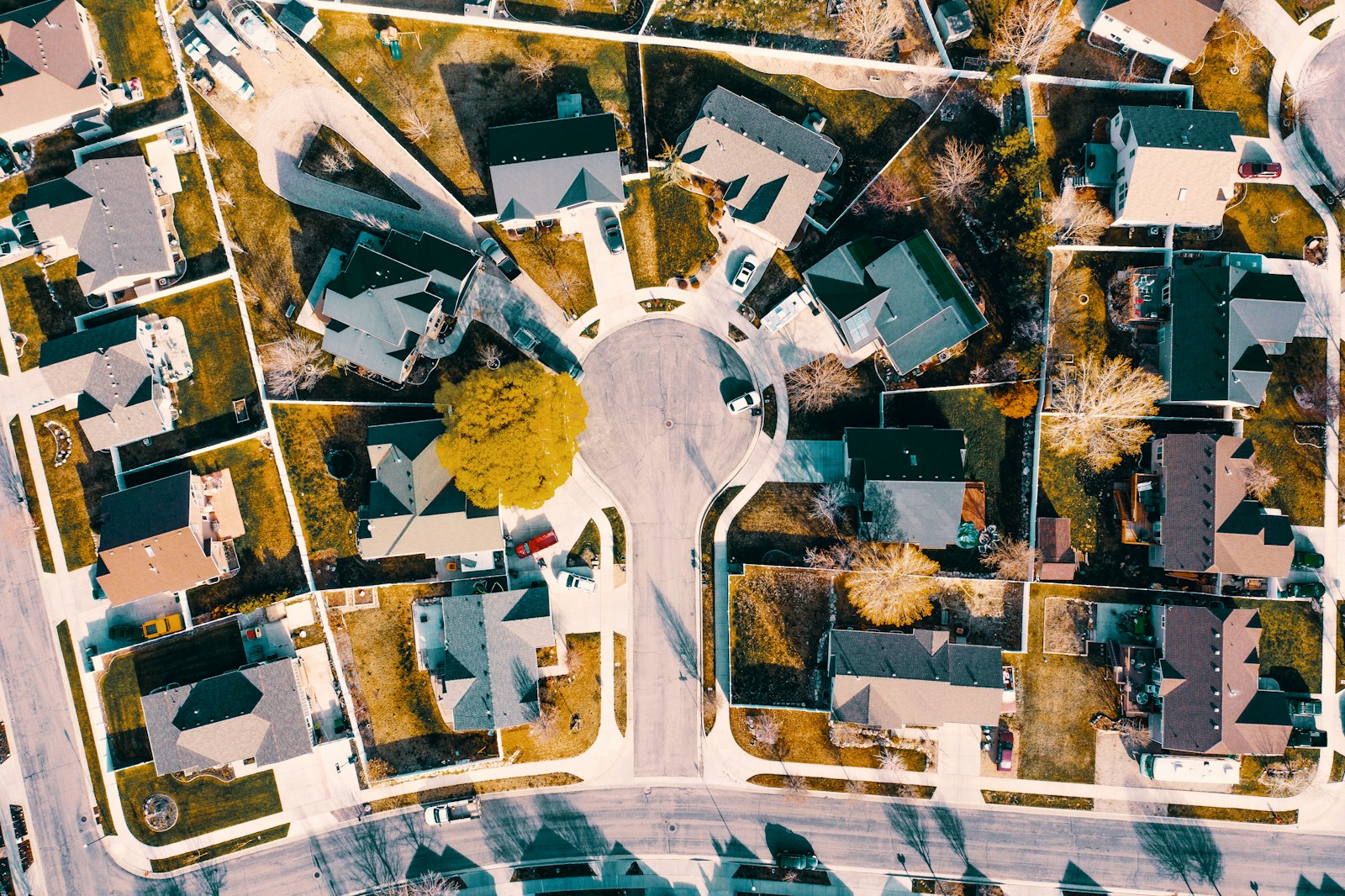
Buying a house feels like stepping onto a financial tightrope, and the type of property you pick determines where the net hangs. New‑construction projects often flaunt a glossy price tag that looks attractive until you unpack the builder’s incentives. Existing homes arrive with a history that can be both a bargaining chip and a hidden expense. The tension between advertised cost and actual out‑of‑pocket cash defines whether the deal saves you money or drags you into a refinancing trap. Understanding the three fronts—price, negotiation, and inspection—prevents the most common buyer regret.
Can a brand‑new home really be cheaper than a resale?
Builders typically charge $150‑$250 per square foot for a mid‑range development, while comparable resales in the same zip code often sit at $120‑$180 per square foot after deducting the land premium. That spread widens when a community includes amenities such as a clubhouse, paved walkways, or a private park, because the developer folds those costs into the base price. A 2,000‑square‑foot new build priced at $425,000 may look competitive against a 2,100‑square‑foot older home listed for $440,000, yet the newer unit carries higher property‑tax assessments due to its higher replacement cost basis.
Assuming a 30‑year fixed loan at 6.5 % interest, the new‑construction scenario yields a principal‑and‑interest (P&I) payment of roughly $1,896 per month on a 20 % down payment. The resale alternative, financed with the same down payment and rate, drops the P&I to about $1,798 because the loan balance is modestly lower. The difference of $98 per month may seem trivial, but it compounds into more than $35,000 over the life of the loan when you factor in the higher tax bill that typically runs 1.2 % of the assessed value for a brand‑new structure.
Insurance premiums also tilt toward the newer side; insurers often charge $1,300‑$1,600 annually for a freshly built 2,000‑square‑foot home, whereas a similar‑aged resale might be insured for $900‑$1,100 because the replacement cost is lower and the risk of structural failure has been historically vetted.
Do you get any bargaining power with a builder?
Most builders publish a “price per square foot” that already includes a built‑in profit margin, leaving buyers with limited room to negotiate the headline number. However, developers are more flexible on ancillary items such as upgrade credits, landscaping packages, or closing‑cost contributions, because those line items have a lower impact on their bottom line.
A common tactic involves offering a “zero‑closing‑cost” deal that simply rolls the fees into a slightly higher interest rate; the effective APR may climb by 0.125‑0.25 %, which translates to an extra $30‑$50 in monthly P&I on a $300,000 loan. In contrast, demanding a $5,000 price reduction directly cuts the loan balance and saves roughly $12 in monthly interest, a far more transparent benefit.
When a builder proposes a $10,000 rate buydown in exchange for a later‑stage upgrade, the buyer often ends up paying the same amount over the life of the loan but with a more complex amortization schedule that masks the true cost until the buydown period expires.
How does the inspection game change when walls haven’t been lived in?
Many new‑home contracts contain a clause that “waives the buyer’s right to a third‑party inspection,” arguing that the builder’s warranty covers any defects. This language can leave the purchaser exposed to latent issues such as improperly sealed foundations, HVAC ducts that were never pressure‑tested, or roofing underlayment installed on a rainy day.
A single‑family home that looks pristine on move‑in day may still harbor moisture intrusion behind the drywall, a problem that often surfaces after the first winter and can cost $5,000‑$15,000 to remediate. Engaging an independent inspector for a $350‑$600 fee provides a detailed report that the builder’s warranty does not typically address, especially for items classified as “cosmetic” rather than “structural.”
Some builders counter with a one‑year “home warranty” that reimburses repair costs up to $1,500 per claim; however, that cap is insufficient for major system failures, and the warranty frequently excludes anything related to workmanship, leaving the homeowner to foot the bill for the most expensive fixes.
What hidden fees hide behind the “zero‑closing‑cost” promise?
Lenders often tack on an origination fee that ranges from 0.5 % to 1 % of the loan amount, and they may disguise it as a “processing charge” that appears only on the settlement statement. For a $300,000 mortgage, that fee can be $1,500‑$3,000, a sum that disappears whether the borrower rolls it into the loan or pays it upfront.
Escrow reserves for property taxes and homeowner’s insurance typically add another 0.5 %‑1 % of the loan balance, while title insurance, recording fees, and survey costs collectively contribute another 0.2 %‑0.4 % of the purchase price. In total, closing costs usually fall between 2 % and 5 % of the loan, meaning a $300,000 mortgage can require $6,000‑$15,000 at the closing table.
Rate buydowns masquerade as “lower monthly payments” for the first two years, but the upfront cash payment required to achieve that reduction often exceeds the present value of the temporary savings; a $7,500 buydown on a 6.5 % loan may only shave $45 off the monthly payment for 24 months before the rate reverts to the original note.
Practical steps: budgeting for price, fees and future repairs
First, determine a realistic purchase‑price window by researching comparable sales within a one‑mile radius and adjusting for lot size, age, and recent upgrades; expect a variance of ±5 % from the listed price. Next, calculate the total cash needed to close by adding the down payment (usually 10 %‑20 % of the price), estimated closing costs (2 %‑5 % of the loan), and a reserve of at least one month’s P&I, taxes, and insurance to cover unexpected hiccups.
Assuming a $300,000 loan at 6.5 % interest, the principal‑and‑interest component settles at $1,896 per month; property taxes at 1.2 % of the assessed value add roughly $300 monthly, and homeowner’s insurance at $1,200 annually contributes $100 per month, bringing the all‑in housing expense to about $2,296. If the borrower makes a 20 % down payment, the loan amount drops to $240,000, shaving the P&I to $1,517 and reducing the total monthly outlay to roughly $2,017.
Private mortgage insurance (PMI) typically costs 0.5 %‑1 % of the original loan each year until the borrower reaches 20 % equity; on a $300,000 loan, that translates to $1,250‑$2,500 annually, or $104‑$208 per month, and over a 30‑year horizon the cumulative PMI expense can climb to $45,000‑$90,000 if the borrower never refinances out of it.
Finally, allocate a separate maintenance fund equal to 1 %‑1.5 % of the home’s value each year; for a $425,000 new build, that means setting aside $4,250‑$6,375 annually to address roof replacement, HVAC servicing, and exterior painting before the warranty expires.
Final checklist before you sign any paper
Verify that the Loan Estimate you received matches the figures discussed with your mortgage advisor, paying special attention to the “origination charge” line and any “rate‑adjustment fee” entries. Confirm that the builder’s warranty covers structural elements for at least ten years and that any upgrade credits are documented as a reduction in the purchase price, not as a nebulous “cash allowance.” Scrutinize the settlement statement for undisclosed third‑party fees, and ensure that the escrow account contains enough reserves to cover at least two months of taxes and insurance. Only after every line item aligns with your independent calculations should you proceed to the final signature.
Keep reading
Rising Delinquency Signals: Why Your Mortgage Could Turn Toxic
We break down the latest delinquency data and what it means for borrowers. Most guides miss the hidden cost dynamics that turn a seemingly affordable loan into a long‑term money trap.
2026 Home Price Forecast: Sun Belt Up 8‑12% vs Midwest Down 5‑9%
Readers will see which U.S. regions are likely to rally or slump in 2026 and how those moves hit a mortgage payment. Most guides skip the fee math that can turn a seemingly good deal into a costly trap.
Why 2026’s 1.2‑M Home Shortage Will Add k to Your Mortgage
You’ll see how the current inventory crunch reshapes loan costs and why most buyer guides miss the hidden math. The piece also exposes the fee traps lenders hide behind “no‑cost” deals.