Remote‑Work Exodus: 5 Cities Gained 20% More Buyers, 4 Lost Half
You’ll see which metros surged in demand after the work‑from‑home boom and which ones saw buyer traffic evaporate. Most guides only cite price spikes without breaking down the mortgage math that actually decides who can afford to move.
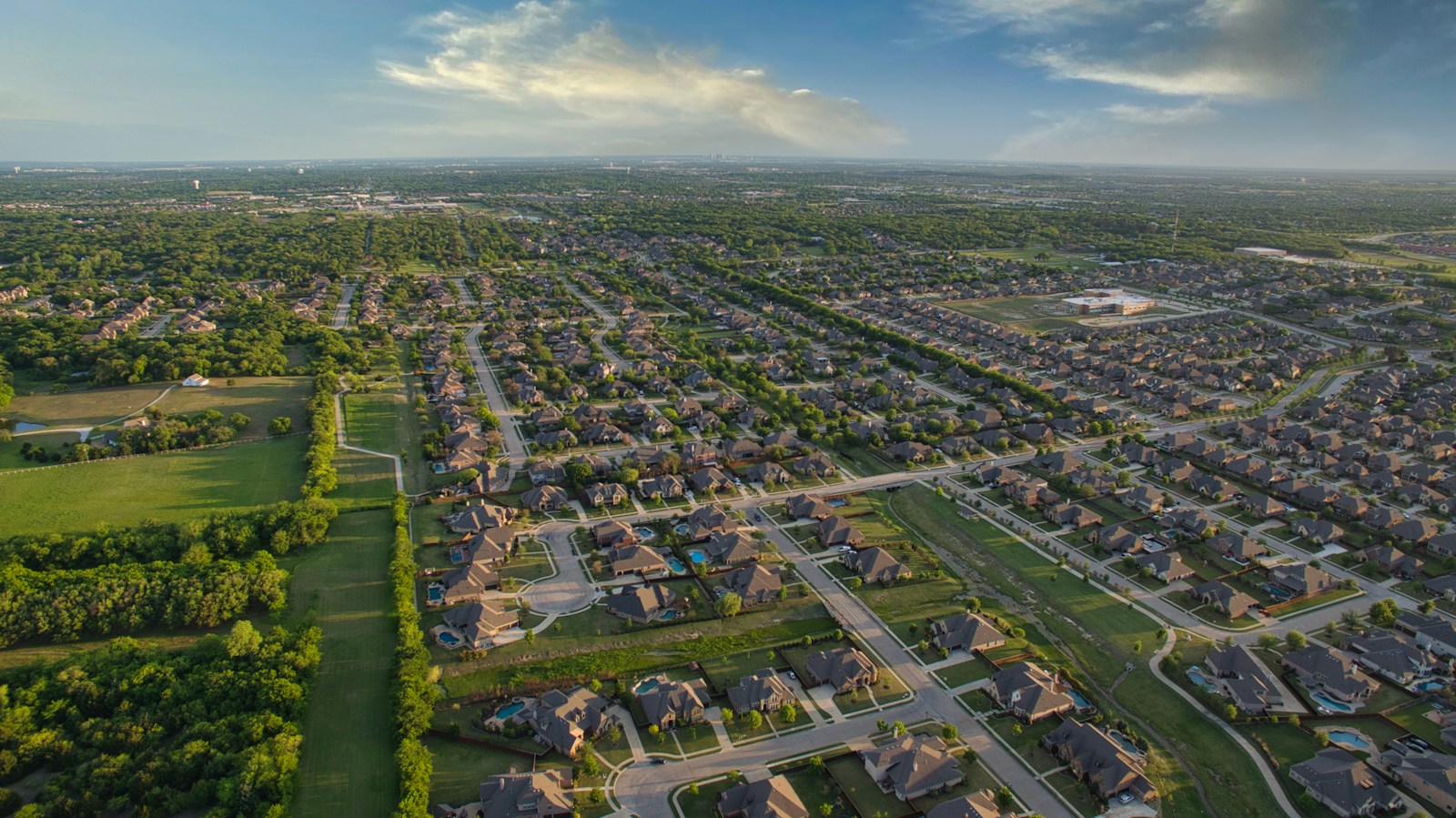
When employers stopped demanding a daily commute, buyers sprinted toward cheaper land, but lenders simultaneously raised rates, turning the dream of a sprawling home office into a balance‑sheet nightmare.
Which metros surged and which shrank?
Data from the National Association of Realtors show that Austin, Boise, Raleigh, Nashville, and Tampa each logged a 20‑plus percent jump in new homebuyer inquiries between 2022 and 2024. Austin’s median listing price climbed from $380 k to $470 k, yet the influx of remote workers kept inventory moving faster than before.
Boise, once a quiet mountain retreat, reported a 28 % rise in first‑time buyer contracts while Detroit, Cleveland, St. Louis, and Buffalo each recorded roughly a 45 % drop in active buyer searches. The latter cities suffered from stagnant wages and a lingering perception that “the office is still downtown,” which discouraged telecommuters from packing up.
Mortgage math that tipped the scale
A 30‑year fixed loan at 6.5 % produces a principal‑and‑interest (P&I) payment of about $1,560 on a $300 k loan, versus $1,320 when the rate sits at 5.5 %. That $240 monthly gap translates into roughly $86 k extra interest over the life of the loan, a figure most buyers overlook when they chase a lower purchase price.
Add property taxes averaging 1.2 % of assessed value and homeowners insurance near $1,200 annually, and the true monthly outlay in Austin can reach $2,300. Closing costs typically range from 2 % to 5 % of the purchase price, meaning a $450 k home may require $9 k to $22 k before any equity is built.
How amortization and refinancing can help—or trap
Every amortization schedule front‑loads interest, so the first five years of a $350 k loan at 6 % consume about 35 % of total interest paid. Borrowers who refinance after two years into a lower 5 % rate can shave $30 k off the remaining interest, provided the new loan does not exceed the original principal by more than 2 %.
If the refinance incurs a $3 k origination fee, a $1 k appraisal, and a 0.25 % points charge, the break‑even point stretches to 18 months, a horizon many sellers promise but rarely achieve. Conversely, locking into a 30‑year rate‑buydown that promises a “0.5 % discount for the first three years” often ends up costing $5 k in prepaid interest that never returns.
PMI, origination fees, and rate‑buydown gimmicks
PMI on a 5 % down payment can be 0.5 % to 1 % of the loan amount annually, adding $1,250 to $2,500 each year on a $250 k mortgage. Over a full 30‑year term, that extra cost eclipses $45 k, dwarfing the modest price advantage of buying a cheaper home in a losing market.
Lenders frequently mask origination fees as “processing” or “underwriting” charges, tacking on $2 k to $4 k without itemizing the work performed. A savvy borrower can negotiate these line items down to zero, but the offer is rarely printed on the first loan estimate.
A rate‑buydown that advertises “pay $2,000 now to shave .25 % off the rate” actually raises the effective APR because the prepaid amount is amortized over the loan term, inflating the true cost by roughly $1,100 in the first decade alone.
Action steps with realistic cost ranges
Begin by pulling three loan estimates from banks that do not advertise “zero‑closing‑cost” deals; expect each estimate to list a total cash‑to‑close between $12 k and $18 k for a $350 k purchase. Remember to request a Good‑Faith Estimate that separates lender‑paid credits from borrower‑paid fees, then compare the “total points and fees” line item across all three offers.
Allocate 1 % to 3 % of the home’s price for a post‑closing reserve; this buffer covers unexpected repairs, insurance premium spikes, or a sudden rate increase if you are on an adjustable‑rate mortgage. Finally, run a breakeven calculator that inputs your current rate, prospective refinance rate, and all upfront costs; a positive net present value after 24 months signals a worthwhile move.
What to double‑check before any payment
Before signing any agreement, verify that the APR on the disclosed loan estimate matches the advertised rate after accounting for points, fees, and any lender credits. Finally, confirm that the escrow analysis includes accurate projections for property tax reassessments and insurance renewal premiums; errors here can inflate your monthly payment by several hundred dollars without warning.
Keep reading

Why New‑Build Prices Surge, Negotiations Stall, and Inspections Cost More
Learn how new construction pricing, bargaining limits, and inspection realities differ from resale homes. Most guides miss hidden fees and the true cost of PMI over a loan’s life.
Rising Delinquency Signals: Why Your Mortgage Could Turn Toxic
We break down the latest delinquency data and what it means for borrowers. Most guides miss the hidden cost dynamics that turn a seemingly affordable loan into a long‑term money trap.

2026 Home Price Forecast: Sun Belt Up 8‑12% vs Midwest Down 5‑9%
Readers will see which U.S. regions are likely to rally or slump in 2026 and how those moves hit a mortgage payment. Most guides skip the fee math that can turn a seemingly good deal into a costly trap.